
Our world is a chaotic place, and even if you work in a quiet corner office, the possibility exists for you to get hurt on the job. If you work as a lineman, tree trimmer, or construction worker, the odds of getting hurt while at work increase drastically. In the event of any workplace injury, you will need to file a what is known as workers’ compensation claim.
How the process works is simple: if an injury on the job renders you unable to work, you can file a claim for benefits and receive some compensation to make up for lost wages and medical bills. In turn, your employer and coworkers are off the hook for liability for the injury, meaning they can’t further be sued for damages.
However, like most things that have to do with an insurance company, Minnesota’s worker compensation process doesn’t always work so smoothly. Your employer, or the insurance company that takes the claim, might try underhanded tactics to deny or minimize the benefits paid out to you. They may claim the injury didn’t happen on the job, or that it isn’t as serious as you claim. All of this can make the process of getting the full benefits you need time consuming and frustrating.
This is where the use of an experienced workman’s compensation lawyers can help. If your injury is serious enough, you can bet that the employer (to prevent their premiums from going up) and the insurance company (to keep costs low and profits high) will try to deny or diminish your claim. Do not let them take what is rightfully yours, especially when it means the difference between financial security for you and your family.
“Our experienced team will help you get the compensation you deserve while handling all the legal stress so you can focus on getting better!”

The workers’ compensation process varies from state to state and industry to industry, but most employees are covered by a plan of some variety. These plans cover the majority of incidents that can conceivably occur in the workplace, including unintentional injuries, diseases, illnesses, and deaths.
Because the system is no-fault, workers are not required to prove fault for the injuries to recover the benefits they’re entitled to. To make a claim the employee must submit a report of the injury to their employer. In that report, the injured worker should provide details such as:
Next, the worker needs to seek an evaluation by a medical professional to determine the extent of the injury. Typically, the provider of this will be chosen by the claimant’s employer, however, in Minnesota, claimants can seek a second opinion.
This evaluation is known as an IME, or Independent Medical Examination. In theory, the IME is to determine the exact nature of the worker’s condition and determine the cause of the injury. However, insurance companies may attempt to fault the IME as a way to limit payouts.
This is why it is important to get a second opinion, as sometimes the doctor assigned by the employer may work to protect their financial interests by denying injuries or clearing an employee for work when they aren’t ready.
[Read Sand Law’s Workers Comp Checklist]
If the insurance company denies that an injury occurred, accuses the employee of faking an injury, or blames their injury on a condition that existed already, the worker has a right to appeal the denial of benefit.
In Minnesota, this process requires the filing of a form called an Employee’s Claim Petition through Minnesota’s Department of Labor and Industry. This is your chance to explain how your workplace injury happened, when it happened, what medical treatments you have received because of your injury, and what benefits you need or have been denied. You will also need to submit a report from a doctor that supports your injury claim.
The experience of an attorney can come in handy here, as they will know what to expect and how to deal with situations that may arise during proceedings–especially since the insurance company and your employer will likely be on hand to rebut evidence.
At the hearing, the worker and their legal representative may present evidence showing that they are entitled to benefits. This usually takes the form of an account of the accident itself and the subsequent medical treatment. Medical records may be used by the attorney, along with a physician’s opinion, to show that the injury was job-related.
Alternative solutions to settle disputes do exist. Mediation may be used outside of the hearing process to craft a creative and mutually acceptable arrangement of modified job responsibilities or financial support.
If you believe you have a case to make for bad faith actions by your your employer or insurance company related to a worker’s compensation claim, or if you believe your workers’ compensation claim was wrongfully decreased, delayed, or denied, don’t hesitate to contact the experienced lawyers at Sand Law LLC. We can be reached online through our contact form or by calling 651-291-7263. Our experienced team will help you to get you the compensation you deserve while handling all the legal stress so you can focus on getting better!
Employers in White Bear Lake and throughout Minnesota are required to provide workers’ compensation insurance for their employees. This requirement applies to every White Bear Lake business, from large corporations to small businesses with only one employee. These workers’ compensation benefits are meant to protect an employee from any injury or illness they may sustain at work. More specifically, they are meant to protect them from damages, like medical bills and lost wages. Because workers comp benefits require an insurance company to pay out money for workplace injuries, they often deny or devalue claims in order to save themselves money.

Lost wages compensate an injured employee for any income they missed out on while they were out of work dealing with their personal injury. The amount of the lost wages are calculated based on the employee rate of pay at the time of the injury.
This might seem obvious, but some people have bonuses or pay increases that are slated for future dates. These are not recoverable under Minnesota workers compensation program because they are not the wages the person was making at the time of their injury.
Medical benefits are workers comp benefits that are paid in order to cover medical bills. These medical expenses may be in the form of a hospital stay, doctors visit, etc.
Permanent partial disability claims, like all other workers comp benefits, can be caused by a work-related injury or a work-related illness or disease. PPD refers to a worker receiving an injury that causes permanent impairment that will affect a worker ability to perform at their pre-injury capacity. Permanent partial disability is different than a total disability, which implies that a person can’t work at all.
Vocational rehabilitation services are work comp benefits that cover schooling or training to prepare an injured worker for another type of job if they are incapable of doing their past work because of a permanent disability. Vocational rehabilitation is designed to help White Bear Lake workers to gain meaningful employment after they were injured on the job.
Every employee in White Bear Lake and across Minnesota are entitled to workers’ compensation benefits if they were injured or became ill due to a work-related activity. This injury or illness includes a specific event injury, like an accident, or a situation caused by a repetitive task, like an illness from repeated exposure to a specific chemical.
When you are injured while at work in Minnesota, it is common to be confused, upset, and unsure about how to proceed. Nobody plans for a work-related injury, so when it happens, it can throw you for a loop.
Filing a workers comp claim can be complicated and stressful. Because of this, it’s a good idea to know your rights under Minnesota Workers’ Compensation law.
Here are some helpful tips for what to do after you are injured while working in White Bear Lake or anywhere in Minnesota:
When you are injured at work or find out that you have a work-related injury, start by reporting your injury to your employer. It is important that you notify your employer immediately so that if cannot be used against you later during the process of your injury claim. Under Minnesota Workers’ Compensation law, you are required to report your injury within 14 days of the injury; there are some exceptions to this however. Either way, the earlier the better.
When reporting your injury, be sure to follow your specific employer’s rules and guidelines about reporting a work-related injury. Check with your HR department or refer to your employee handbook.
After you are injured while working White Bear Lake, seek medical treatment as soon as possible. Do not tough it out, wait until it’s convenient, or wait to see if it gets worse. If you plan on filing for workers’ comp benefits, get medical treatment right away.
Getting medical care allows a professional to evaluate the severity of your injury AND it documents that injury in a medical record. By documenting your injury with a healthcare professional, you will save your injury claim from any deniability later.
Most work-related injuries that we see at Sand Law LLC occur to people who have never been injured before. Because of this, they don’t know their rights, aren’t sure what to do next, and have no idea how they are going to provide for their family. Speaking with a White Bear Lake workers comp attorney can help alleviate most of these worries. Like most personal injury attorneys, Sand Law offers a free, no obligation consultation so that you can feel comfortable asking an experienced attorney questions without having to worry about paying for their time or being roped into some sort of contract before you decide to hire the firm.
Keep in mind that the Insurance companies hire extremely qualified defense lawyers to represent them so they can prevent having to pay out any money. They are a business; like any other business, they want to keep profits high and expenses low. Hiring a Minnesota work comp lawyer evens the playing field by placing an experienced work injury attorney on your team so that the insurance companies have to fight fair.
If you have been injured or fell ill while working in White Bear Lake or anywhere in Minnesota, contact the Minnesota workers compensation attorneys at Sand Law LLC by using our online contact form or by calling 651-291-SAND. We look forward to fighting for you to get you the compensation you deserve.
Employees in Minnesota always have the right to workers’ compensation benefits when they are injured on the job, no matter what it is that you do for a living. Workers’ compensation helps people pay for medical bills, provides disability payments to make up for lost wages, helps pay professional rehabilitation treatment, gives training support for a career switch, as well as many other benefits. These benefits are extremely necessary after a serious work-related injury, since so much of one’s life can be affected. If you were injured on-the-job and need help with a workers comp claim, do not take on the task alone. Dealing with a team of lawyers working against your worker compensation claim is not the way to go. Hire an experienced Minnesota workers comp attorney that will work diligently and effectively on your behalf to the playing is field is level and your benefits are secure.
In Minnesota, the workers’ compensation system considered a no-fault plan, which means that it doesn’t necessarily matter who is at fault for the injury in terms of having the right to workers’ comp benefits. Because the system is set up in this way, it makes sense that a lot of injured workers shouldn’t need a workers’ compensation attorney in order to obtain the benefits they deserve, but unfortunately there are plenty of instances in which legal disputes arise over work injuries. In these situations, it is absolutely necessary to obtain the help of a workers’ compensation specialist.
The two most common legal disputes or contention points are whether an injury really occurred on the job and the extent of the injury. An example of this would be an employee injuring their back on the job, but an insurance company arguing that the back pain was actually caused by long-term degeneration. Within these types of situations it’s always a requirement to obtain legal counsel, and on this page we’ll be discussing some of the more intricate details of workers’ compensation claims in Minnesota, as well as a comprehensive workers’ comp checklist for employers.

There is a trade-of in Minnesota when it comes to workers’ compensation benefits, and it pertains to the limitation in the amount of damages an employee can receive from an employer if the employer themselves are at fault for causing the injury. Essentially you cannot obtain any kind of additional compensation against an employer, even if your injury on the job was your employer’s fault.
An example of this would be an employer negligently dropping a hammer on an employee’s foot, and in this situation the compensation benefits would be the exact same as if the employee dropped the hammer on their foot themselves.
Injured workers are limited to how much compensation they can receive from an employer, but an employee can receive additional compensation in the case that a third party was the cause of the injury. This is a common situation in which a personal injury lawyer would be required, and an example of this would be if an employee were injured in a car accident while working. In this situation, a lawyer would represent the employee in a claim against the other driver.
Another example of a third party claim would be a defective machine causing a work-related injury, and this would include a claim against the manufacturer of the product. Other common examples include dog bites (predominately for postal workers), slip and fall claims against property owners and construction workers being injured by third parties on job sites.
Within all of these examples the worker is injured on the job, which subsequently allows them to receive workers’ compensation benefits, but because the injury was brought about by a third party that was not related to their work there is an option to obtain a whole new additional claim against that third party.
We have offices in St. Paul and White Bear Lake and serve clients all throughout Minnesota, so if you or a loved one has been injured at work please call our injury lawyers to discuss your case. Our team can help you with any cases involving a denial of workers’ compensation benefits, as well as a potential claim against a third party. To arrange a free consultation with our trusted lawyers call 651-291-7263, or SEND US A MESSAGE online.
Construction sites frequently bring together contractors, subcontractors and workers from many companies. Working in the construction industry is among the most dangerous of all occupations. With multiple companies working at the site, the risk of personal injury is often compounded. Each contractor, subcontractor and supplier has its own time constraints and pressures to get the work done, which can create hazards for others on the site. Unraveling the details surrounding an injury accident is complex. If you have been injured due to the negligence of another company at a construction site, you owe it to yourself to understand your rights.
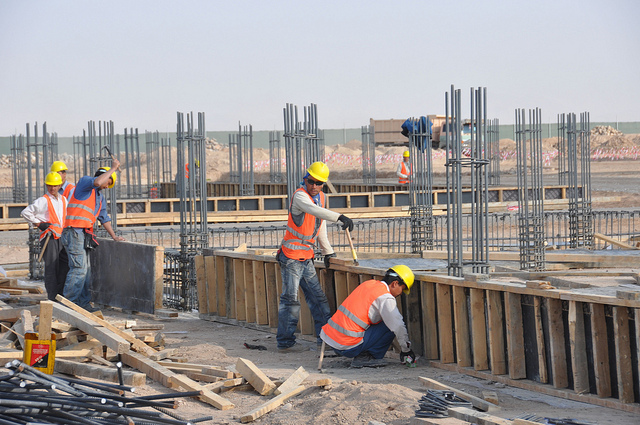
The attorneys at Sand Law, LLC, in St. Paul, Woodbury, and White Bear Lake proactively investigate the facts and circumstances surrounding a construction accident to prepare solid personal injury claims against third parties that have been negligent. We roll up our sleeves to do the hard work of safeguarding the rights of construction site injury victims. We will fully review your unique circumstances and provide you with honest, straightforward guidance to help you understand your legal options. Our goal is to provide value for clients and to help them maximize compensation for their construction accident injuries.
The workers’ compensation system in Minnesota applies to problems involving direct employers and co-workers. However, many construction accidents involve workers from other companies or dangerous materials, supplies, machinery, tools and products that cause significant harm.
Scaffolding collapses
Falls from heights related to dangerous conditions on the property
Crane accidents
Falling objects striking a worker
Electrical accidents
Workers being caught between objects and heavy machinery
At Sand Law, LLC, our extensive experience in handling construction accident cases equips us to effectively advocate for your rights. We understand the complexities of these incidents and are committed to providing straightforward advice and zealous representation to those harmed by negligence. If you’ve suffered an injury on a construction site, we offer a free case evaluation and operate on a contingency fee basis—meaning there’s no fee unless we secure a settlement or verdict on your behalf.
If you have suffered an injury on a construction site, call 651-291-SAND (651-291-7263) for a free case evaluation. You may also contact our lawyers online now. We provide straightforward advice and zealous advocacy for those harmed by negligence. There is no fee unless we obtain a settlement or verdict on your behalf.
Workers’ compensation helps injured workers pay for medical bills, provides disability payments to make up for lost wages, helps pay for rehab, provides training, as well as other benefits. Nearly all of our clients are injured on a job while working and employed by a company in Minnesota. At times, we have clients which are unsure about whether or not they can file a Workers’ Compensation claim in Minnesota if they weren’t technically in Minnesota when the work-related injury occurred, or if their company isn’t based in Minnesota.
In this post we are going to explain the intricate details of when forms need to be filed. And demonstrate three different scenarios in which injured workers have the right to Workers’ Compensation benefits in Minnesota. These scenarios include the following:
Within this particular scenario you can file a claim in Minnesota if you suffer from a work-related injury while working in Minnesota, and this includes individuals who work for a company not based in Minnesota. There are some circumstances that allow people to choose which state to pursue a claim in, which could include a situation in which someone who doesn’t regularly work in Minnesota is injured while in the state having the choice to either make a claim in Minnesota or the state in which the individual is employed.
It’s important to understand that once you file a claim in a certain state you can’t change your decision. You can receive Workers’ Compensation benefits from Minnesota for a new injury even when you have a claim in another state for a different work-related injury from the past, just as long as you don’t file a claim for the same injury in two states.
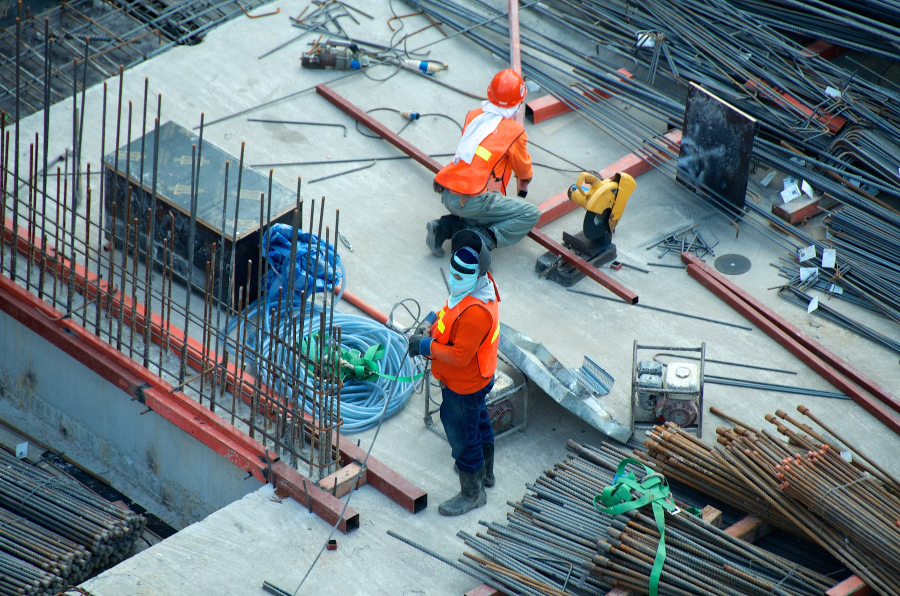
There are three criteria that must be met in order to determine the jurisdiction of an out-of-state, work-related injury being allowed a Workers’ Compensation claim in Minnesota, including the following:
It’s important to know that for the first factor you have to be formally hired in Minnesota and not be in the process of being hired. The second factor technically deals with whether or not the employer has a location or office within Minnesota. In the final factor, the main concern is whether or not the employee is working on a job outside of Minnesota that is intended to be permanent or some kind of relocation, but as long as the employee doesn’t have any intention to relocate they’ll likely be granted jurisdiction in Minnesota.
This is a scenario in which Minnesota will extend Workers’ Compensation coverage to any employee who can prove that they regularly are performing the duties of his or her job in Minnesota, but ended up getting injured while working for the same employer outside of Minnesota. The main necessity here is a fundamental part of the employment being in Minnesota. This can be a little bit complicated for some positions like truck drivers. But if you do deliver a ton of places for your job but happen to deliver to Minnesota twice a week then those two deliveries per week would be considered regular duties in the state.
Filing Workers’ Compensation forms can be complicated for both employers and employees, and this section entails the information both parties need to know about for each form that’s involved with the process of notifying the state of a work-related injury and receiving benefits.
This is a form that the insurer must file for any injury claim that involves disability beyond a three-day waiting period, or an injury that resulted in some kind of permanent partial disability.
This form must be filed after the first report form, and it’s used to report the following:
There are also some instances in which this form can be utilized more than once, including the following situations in which the insurer:
This form discontinues or reduces any kind of temporary total disability (TTD), temporary partial disability (TPD) or permanent total disability (PTD) benefits within the following situations:
This report is used for the following:
This is used when:
This form is filed:
This form is required to be filed under the following circumstances:
Any matters of jurisdiction and how and where to file your benefits claims can be very complicated, and so we’re always more than happy to go over all your options with you and help explain Minnesota’s Workers’ Compensation laws in detail.
Give us a call today at 651 291-7263, or send us a message online.
Depending on what industry you work in, injuries can be pretty common. If you’ve ever filed for workers’ compensation, you know just how difficult it can be to get your workplace to pay your medical bills and to allow you to take the needed time off from work. But what are you supposed to do if they refuse to pay your medical bills?
Working in a dangerous field, like construction, police work, transportation/shipping, or manufacturing, can put you at risk for workplace injuries. According to the National Safety Council, every 7 seconds a worker is injured on the job. That means that over 510 workers are injured an hour. That equates to about 4.5 million workplace injuries a year. The most common injuries include sprains, strains, or tears, soreness or pain, and cuts, lacerations, or punctures.
The top three workplace events that result in people becoming injured are:
Overexertion accounts for 33.54% of all workplace injuries and can happen when a worker does the same motion over and over again, like lifting and lowering boxes all day.
Contact with dangerous objects and equipment accounts for 26% of injuries. This includes being struck by or against a piece of equipment, being caught in a piece of equipment, or being struck, caught, or crushed in a collapsing structure.
Slips, trips, and falls account for 25.8% of all injuries and include falls to a lower level or falls on the same level.
Construction sites fall into the top five most dangerous workplaces and for good reason. Because construction workers work with large equipment and hazardous materials, they’re much more susceptible to accidents than an office worker. Common accidents include:
As you can see, there are many different ways that construction workers can be injured on the job. From heavy machinery accidents, like forklifts and cranes, to electrocutions or fires, there are many risks to be aware of while on a construction site. Because of this, there are also many safety precautions to take.
However, if you’re injured, you may be eligible for workers compensation and time off from work. Because these injuries can be more severe, you may need a workplace accident attorney on your side to make sure you get the best compensation package.
The first and most important thing to do after you’ve been injured is to get medical attention right away. Whether you need to be patched up by a few bandages or need to go to the hospital in an ambulance, this is the first thing that needs to be done.
After obtaining the first aid necessary for your particular injury, make sure to notify your supervisor about the incident as soon as you can after it has occurred. If you don’t inform your supervisor right away, you may lose the right to workers compensation benefits. In most states, you have about 30 days to inform your supervisor. However, in Minnesota you have 180 days to report your injury. The next step is to then complete a claim for workers compensation.
Most states, including Minnesota, have made it illegal to fire someone solely because of their workplace injury. The Americans with Disabilities Act (ADA) requires an employer to make reasonable accommodations before firing an employee. If the employee doesn’t make these required accommodations, you may be able to take legal action. The employer also may try to harass you into quitting, or make you feel uncomfortable continuing on at the job. So no, you cannot be legally fired with filing a workplace related injury to receive workers compensation.
In the state of Minnesota, you have 180 days from the day you are injured to report a workplace injury to your supervisor. This long period of time is unusual in most states, but Minnesota recognizes that you may have a repetitive strain injury or other delayed injury from your accident that you may not realize right away.
After your injury, and after your claim is accepted, you will receive certain benefits depending on the severity of your injury and whether or not you’re able to continue working. Of course, you’ll obtain medical care for whatever injuries you have and your medical bills will be covered.
You may also be awarded with temporary disability or permanent disability benefits. Disability payments will provide you with partial compensation for your loss of wages. This payment normally equals about two-thirds of your normal weekly paycheck.
You may also be eligible for vocational rehabilitation, which is similar to disability. If your injury prevents you from returning to work, you may receive vocational rehab to help you get a completely different job. You will also receive a partial income, like disability benefits. You may also receive wage loss benefits if you’re temporarily unable to work.
If you’ve been injured at work and you don’t feel like you’re getting the benefits you deserve, contact an experienced Minnesota workplace accident attorney today. We’ll be able to help you file your claim and get the money and benefits you deserve. Contact us online or by calling 651-291-7263 for more information and for a free case evaluation.